
Practcal tips for staying warm and keeping enerGy bills down
Winter can be expensive, especially in older buildings with high ceilings, single glazing and shared spaces. Heating can feel like money disappearing into thin air.
According to Ofgem’s 2025 Energy Price Cap Report, the average energy bill is around £1,755 a year, and winter pushes that higher. But there are ways to stay warm without constantly cranking up the heating.
Here are some practical, low-cost tips that work well in guardian homes. Keep reading for our checklist below.
Be smart with appliances
Small habits add up:
Only boil what you need in the kettle
Turn lights off in empty rooms
Avoid the tumble dryer where possible
Unplug chargers when not in use
Bleed Your Radiators
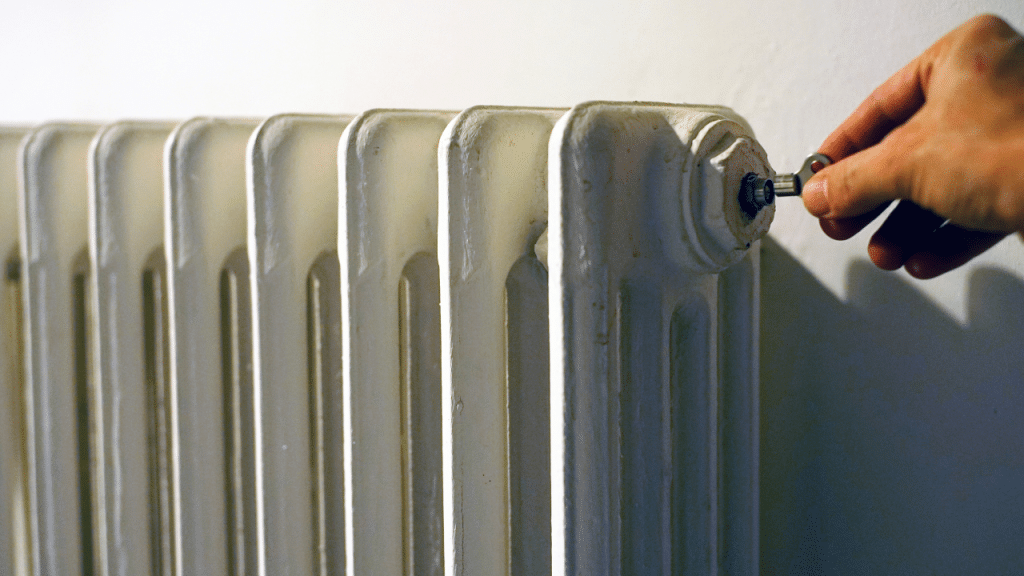
If your radiator’s cold at the top but warm at the bottom, trapped air is stopping it working properly. Bleeding it takes two minutes and costs nothing (radiator keys are a couple of quid from any hardware shop). This is especially common in older buildings where the heating hasn’t been used in a while.
You’ll know it needs doing if the radiator takes ages to warm up, has cold patches at the top, or makes gurgling noises. Turn off your heating first, use the key to open the small valve at the top until you hear air hissing out, then close it as soon as water appears.
Heat yourself up, not just the room
If your room is large or draughty, heating the whole space gets expensive.
What helps:
Hot water bottles
Rugs on bare floors
Thermal layers indoors—it genuinely makes a difference
Thick socks/slippers (nothing worse than cold feet)
Use natural heat
Open curtains during the day to let sunlight in, then close them before dark to trap the warmth.
After cooking, leave the oven door open briefly to let the heat into the kitchen. After a hot shower, leave the bathroom door open so steam warms the hallway. You’ve already paid to create that heat – use it.


Keep doors closed
Simple yet might effective. Keep your bedroom door closed when you’re in there so you’re heating a much smaller space. It’s not antisocial – it’s sensible. Shared communal areas are bigger and harder to heat efficiently anyway.
Use heating strategically
Heat in short, consistent periods rather than long blasts
Agree set times with housemates
Don’t crank it right up—it won’t heat rooms faster
Understanding your heating setup
This varies between properties:
Individual control: Use it wisely. Heat your space when you need it, not 24/7. If you have a programmable timer or smart plug, set it to warm up 30 minutes before you wake up, then switch off when you leave. You can also manage other appliances through smart plugs.
Shared heating? Talk to your housemates about a sensible schedule. Most people can agree on heating during the morning and evening, off overnight and when everyone’s out.
Not sure who controls what? Ask us. Knowing how your heating works means you can use it properly.
What temperature?
The World Health Organisation recommends 18-21°C, with 18°C being ideal. You’ll probably want a jumper, but that’s normal. Bedrooms can go down to 16-18°C at night—you’re under a duvet anyway.
If you usually have heating at 22-24°C, try dropping it one degree at a time. You’ll adjust quickly, and each degree saves money.
QUICK CHECKLIST TO STAY WARM
- Seal obvious draughts around your room
- Close curtains at dusk, open them during sunny days
- Bleed any cold radiators
- Keep doors closed when heating your room
- Drop your thermostat by 1°C and see if you notice
- Get yourself a hot water bottle
- Know how your building's heating system works
- Report anything that's genuinely broken
Staying warm and reducing energy consumption as a guardian isn’t about suffering through the cold. It’s about being smart with what you’ve got. These small changes add up – not just in money saved, but in actually feeling comfortable.
Got any good tips you want to share with our community? Let us know.
Keep an eye on our blog for more lifestyle tips for Property Guardians.